Home

Category

Tech Culture

22 articles

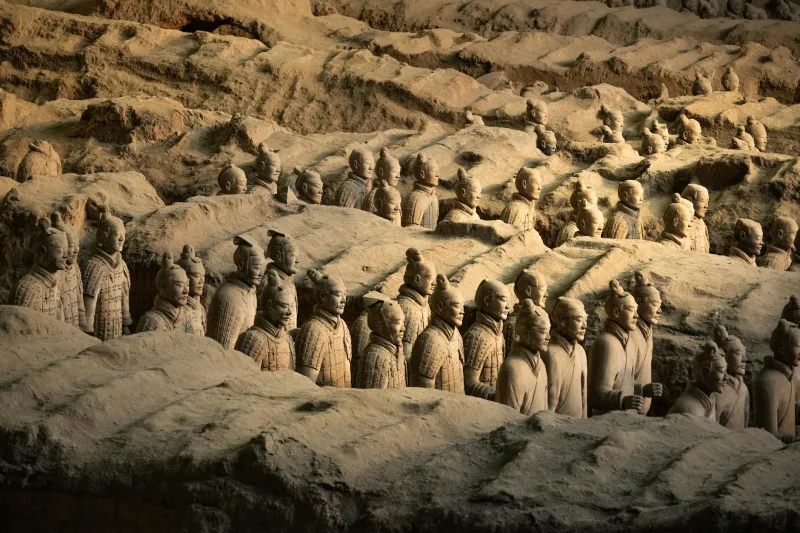
Your College Degree Was Already Worthless in Ancient China

Your College Degree Was Already Worthless in Ancient China

The anxiety that too many people have the same credentials is not a modern problem—China's imperial examination system collapsed under credential inflation 1,400 years ago. Every society eventually discovers that certificates guarantee nothing except that everyone else has one too.

Your 3 PM Meeting Was Always Going to Start at 3:15

Your 3 PM Meeting Was Always Going to Start at 3:15

Making people wait isn't a scheduling accident—it's the oldest power move in human civilization. From Egyptian pharaohs to Silicon Valley executives, controlling other people's time has always been the cheapest way to demonstrate who's really in charge.

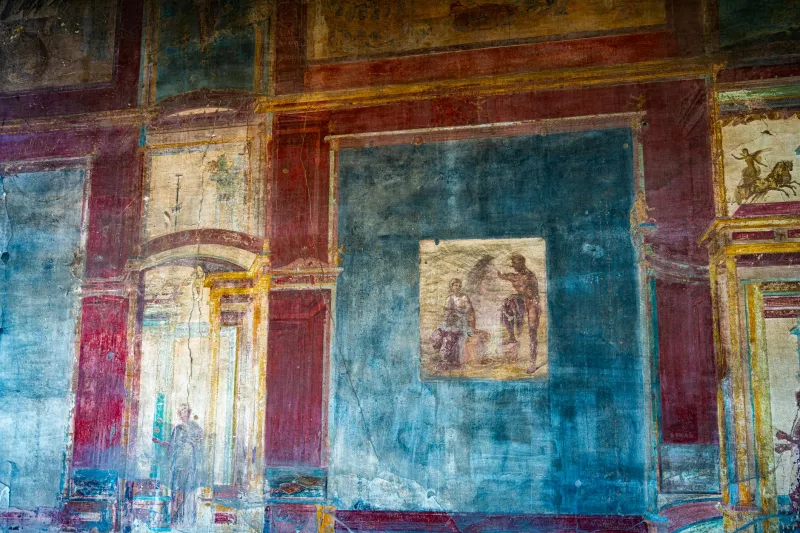
Your Meme Went Viral in Ancient Rome Too

Your Meme Went Viral in Ancient Rome Too

Long before Twitter, humans were creating content that spread like wildfire across continents. Roman graffiti, medieval gossip networks, and ancient political cartoons used the same psychological triggers that power today's viral content.

Before LinkedIn: How Romans Perfected the Art of Strategic Friendship

Before LinkedIn: How Romans Perfected the Art of Strategic Friendship

The Roman system of amicitia was basically a 2,000-year-old professional network, complete with strategic connections, carefully worded recommendations, and the exhausting maintenance of relationships you barely tolerate. Your networking anxiety has ancient roots.

Seneca Was Basically Complaining About His Phone

Seneca Was Basically Complaining About His Phone

Two thousand years before the algorithm, Roman philosophers were already losing their minds over too much information and too little focus. The problem was never the technology. It was always the brain holding the scroll.

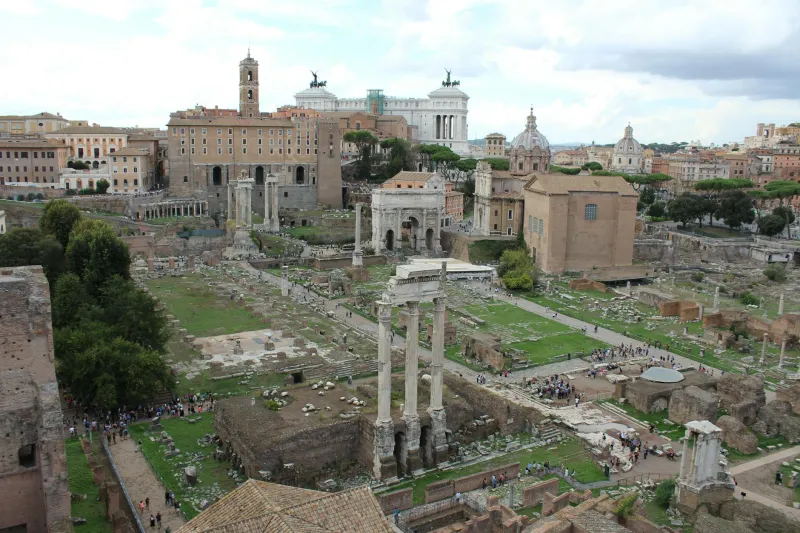
Borrowed Prestige: How Rome's Education Debt Spiral Previewed Our Own

Borrowed Prestige: How Rome's Education Debt Spiral Previewed Our Own

Ancient Rome built a system where ambitious families borrowed heavily to fund the kind of elite education that opened doors to power — and then watched that system buckle under its own weight. The collapse didn't happen overnight, and the warning signs looked a lot like your Twitter feed. Here's what five thousand years of data actually predicts about where we're headed.

The Founders Built America on a Roman Blueprint — With Some Critical Typos

The Founders Built America on a Roman Blueprint — With Some Critical Typos

The men who designed the American constitutional system weren't just casually inspired by Rome — they were obsessed, and they built that obsession directly into the architecture of government. The problem is that their reading of Roman history was selective in ways that leading scholars of their own era flagged at the time. Understanding exactly where they got it right and where they got it wrong explains why several things about American democracy that feel broken and modern are actually broken and ancient.

Kids These Days: The 5,000-Year-Old Complaint That Never Gets Old

Kids These Days: The 5,000-Year-Old Complaint That Never Gets Old

A Sumerian scribe was already complaining about disrespectful youth around 2000 BC. Socrates had notes. Medieval monks had notes. Your uncle at Thanksgiving has notes. This is one of the most consistent data points in all of recorded human history — and the psychology behind why it keeps happening explains something important about how we make terrible policy decisions.